
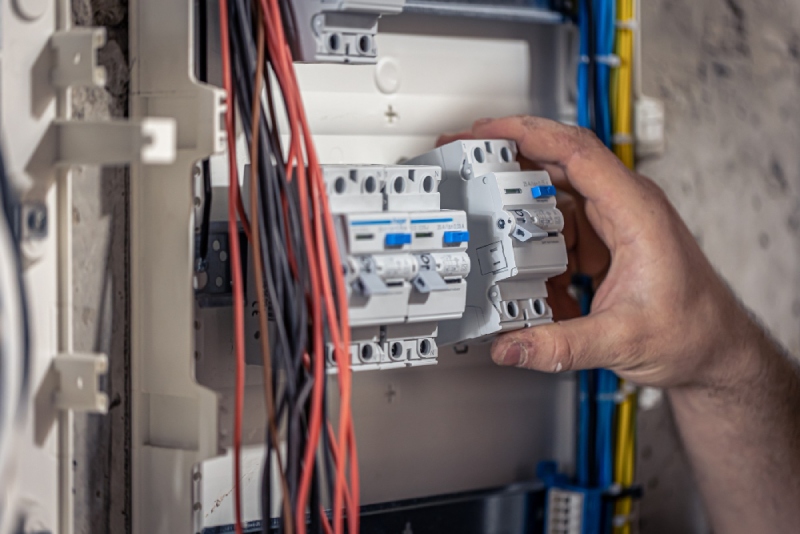
A breaker trips when a circuit is overloaded, a device is faulty, or the breaker detects a wiring fault that needs attention. One reset may be normal, but repeated tripping is a safety warning that your electrical system is cutting power before heat, damage, or fire risk can build.
Key takeaways
- A breaker keeps tripping because it is responding to overload, a fault, or another unsafe electrical condition.
- Repeated breaker trips are warning signs, especially with heat, smell, buzzing, sparks, flickering lights, or discoloured outlets.
- Overloaded circuits often happen when high-demand devices share one circuit, especially in older homes and renovated spaces.
- You can note what was running and try one safe reset, but repeated trips should be inspected by a licensed electrician.
- PNL provides licensed, in-house electrical service across Nova Scotia with clear quotes and no subcontracting.
What is a tripping breaker telling you?
A tripped breaker indicates that the circuit has detected a problem and shut itself off to protect the wiring. A circuit breaker is a safety switch in your electrical panel that interrupts power when current rises beyond a safe level or when certain faults are detected.
That trip is not the nuisance. It is the protection working. The real question is why the breaker had to step in. In Nova Scotia homes, the answer can be as simple as too many high-demand devices on one circuit, or as serious as damaged wiring behind a wall.
Common patterns matter. A breaker that trips only when you run the microwave and toaster together often points to an overloaded circuit. A breaker that trips instantly, even after everything is unplugged, may point to a short circuit, ground fault, damaged device, or a breaker that needs professional testing.
PNL looks at the full picture: what was running, how often the trip happens, whether the panel is labelled, and whether there are other warning signs like flickering lights, buzzing, warm outlets, or a burning smell. That plain-language diagnosis helps you understand what is safe to try and when the problem needs a licensed electrician.
Why does my breaker keep tripping?
Your breaker keeps tripping because the circuit is drawing more electricity than it can safely carry, or because a fault is creating an unsafe path for electricity. The three most common causes are overloaded circuits, short circuits, and ground faults.
An overloaded circuit occurs when too many devices draw power from the same circuit at the same time. This often happens in kitchens, home offices, basements, workshops, and older homes, where today’s electrical demand exceeds the capacity of the original wiring.
A short circuit happens when electrical current takes an unintended shortcut, often because damaged conductors touch each other. A ground fault happens when current escapes its normal path and flows toward ground, sometimes through moisture, a damaged appliance, or faulty wiring. Both need care because they can create shock and fire hazards.
Older panels can add another layer of complexity. If your home has had renovations, such as a heat pump, EV charger, hot tub, or other major electrical addition, the panel and branch circuits may need assessment. PNL’s licensed electricians can determine whether the issue is a simple circuit problem, a device problem, or part of a larger service capacity concern.
For recurring troubleshooting or repairs, see PNL’s maintenance and repairs service.
Tripping breaker vs overloaded circuit: what is the difference?
A tripping breaker is the result you see, while an overloaded circuit is one possible cause. The breaker is the device that shuts off power; the overload is the condition in which connected equipment demands more current than the wiring and breaker can safely carry.
Think of the breaker as the messenger. It does not cause the overload. It responds to it. When a kettle, portable heater, microwave, vacuum, or power tool draws too much current on a shared circuit, the breaker opens the circuit to prevent the wiring from continuing to heat up.
Here is a simple comparison:
- Overload: The breaker trips when several devices run at once. Unplugging one high-demand item may resolve the issue.
- Short circuit: The breaker trips immediately upon reset or when a device is plugged in. There may be popping, sparks, or damage.
- Ground fault: The breaker trips when moisture, damaged insulation, or a faulty device lets current leave its intended path. Kitchens, bathrooms, exterior plugs, and basements deserve extra attention.
What matters most is not guessing. If the breaker trips repeatedly after you reduce the load, or if it trips even with nothing plugged in, the safest next step is a professional inspection.
When is a tripping breaker a safety risk?
A tripping breaker becomes a safety risk when it happens repeatedly, trips immediately after a reset, or is accompanied by heat, smell, sound, sparks, discolouration, or flickering lights. These signs can point to damaged wiring, overloaded equipment, or a failing connection that should not be ignored.
Organizations such as the Electrical Safety Foundation International commonly cite frequent circuit breaker trips, dimming lights, buzzing sounds, and discoloured outlets as warning signs of an overloaded electrical system. These signs deserve attention because heat can build up where you cannot see it: inside outlets, junction boxes, panels, and walls.
Call for help promptly if you notice any of these warning signs:
- The breaker will not stay on after a full reset.
- You smell smoke or see scorch marks near a receptacle, switch, or panel.
- An outlet or switch feels warm.
- Lights dim or flicker when appliances turn on.
- You hear buzzing, crackling, or popping.
- The same breaker trips repeatedly during normal use.
PNL addresses safety concerns with reassurance, not pressure. We would rather check a suspicious circuit early than have you live with a hidden hazard.
What should I check when my breaker keeps tripping before calling an electrician?
Before calling an electrician, you can safely note what was running when the breaker tripped, unplug non-essential devices, and try one proper reset if there is no burning smell, heat, smoke, or visible damage. Do not keep resetting the breaker if it trips again.
A proper reset means pushing the breaker fully to the off position, then back to on. Some breakers appear halfway on after a trip, so a light touch may not reset them. If it trips again, stop. The breaker has done its job twice, and the cause needs to be found.
Helpful notes for your electrician include:
- Which breaker tripped, if the panel is labelled.
- Which room or outlets lost power.
- What appliances, tools, or heaters were running.
- Whether the breaker trips immediately or after a few minutes.
- Any recent changes, including renovations, new equipment, water leaks, or storm damage.
Do not remove the panel cover, replace the breaker yourself, tape a breaker in place, or use a larger breaker to “fix” the problem. A larger breaker on wiring that is not sized for it can create a serious hazard. Electrical work in Nova Scotia must meet applicable electrical code requirements and should be completed by qualified professionals, with permits and inspections obtained where required.
If the issue arose during a renovation or larger home project, PNL’s electrical construction and residential services can help plan safe, code-compliant work.
When should I bring in a licensed electrician when a breaker keeps tripping?
Bring in a licensed electrician for a tripping breaker when the same circuit trips more than once, when the breaker trips with nothing plugged in, or when there are signs of heat, smell, sparks, buzzing, or damaged outlets. You should also call when the problem affects essential equipment or an older panel.
At PNL, we start with a clear conversation and a free, no-obligation quote. Our licensed, insured, and bonded team checks the circuit, connected devices, panel condition, and any visible wiring concerns. If the issue is minor, we explain it simply. If it points to a larger concern, we show you why and outline safe options.
That may mean repairing a loose connection, replacing a damaged receptacle, separating loads onto dedicated circuits, updating older wiring, or discussing a service upgrade if your home’s electrical demand has outgrown the panel. You get one trusted local team for electrical, communications, and security work, with no subcontracting and no cutting corners.
For Nova Scotia homeowners, the goal is simple: a home that is safe, powered, and protected, without the stress of wondering whether the work was done right.
When repeated trips point to capacity concerns, a service upgrade may be part of the right long-term solution.
FAQ: Breaker keeps tripping
Is a tripping breaker dangerous?
A tripping breaker can be dangerous if it happens repeatedly or is accompanied by heat, odour, sparks, buzzing, or discoloured outlets. One trip may simply indicate a temporary overload, but repeated trips mean the breaker is protecting you from something that needs attention. Stop resetting it and call a licensed electrician if the cause is not obvious.
Why does my breaker trip with nothing plugged in?
A breaker that trips with nothing plugged in may indicate a wiring fault, a damaged breaker, a moisture problem, a hidden load, or an issue elsewhere on the circuit. It is not something to keep testing. Leave the breaker off if it will not stay on and have a licensed electrician safely inspect the circuit.
Can I keep resetting a tripping breaker?
You should not keep resetting a breaker that trips repeatedly. Reset it once only if there are no signs of heat, smoke, burning smell, or damage. If it trips again, the circuit is warning you that something is wrong. Repeated resets can allow heat or damage to persist before the real problem is repaired.
Does a tripping breaker mean I need a new panel?
A tripping breaker does not always mean you need a new panel. The cause may be an overloaded circuit, a faulty appliance, a damaged outlet, a loose connection, or a wiring issue. A new panel may be worth discussing if your home has frequent trips across multiple circuits, major new equipment, older service capacity, or signs the panel is outdated.
Get safe answers before a small breaker issue becomes a bigger problem
A breaker keeps tripping for a reason, and that reason deserves a clear, safety-first answer. PNL gives Nova Scotia homeowners one trusted local team for electrical work that is explained plainly, completed carefully, and priced honestly. Work you can trust starts with people who treat your property like their own. If your breaker keeps tripping, call (902) 431-3131 or request your free, no-obligation quote from PNL today.
