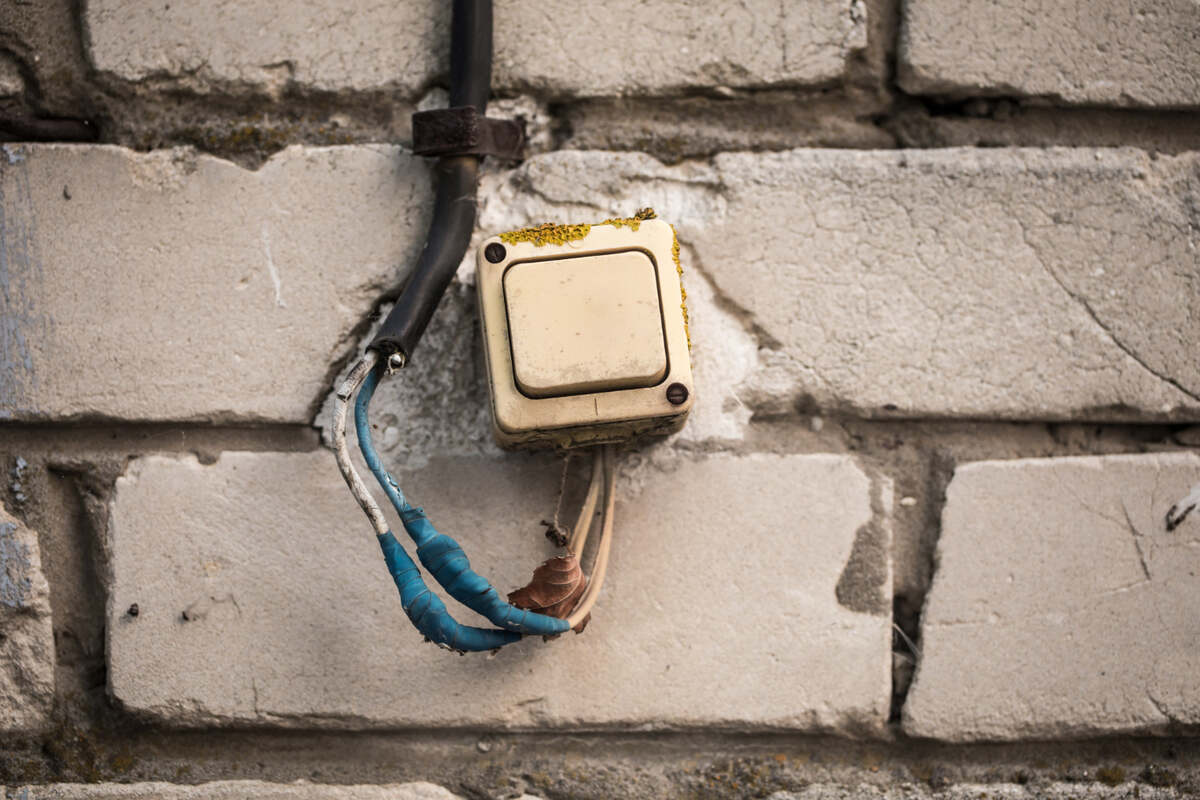
You may have noticed a couple of oddities in your house, which was constructed before 1980: the breaker trips when the kettle and microwave are turned on simultaneously, the outlet won’t take a plug, and the lights dim when the furnace is turned on. These are the most common types of electrical problems in older Nova Scotia homes, and many of them warrant further attention.
Key Takeaways:
- The wiring, panels, or outlets in most older NS homes were not designed to support the current electrical load.
- The two largest red flags in pre-1970s homes are knob-and-tube and early aluminum wiring.
- Modern appliances, EV chargers, or heat pumps demand more than a 60-amp service.
- Older home wiring must be inspected at least every 10 years, and more often if you notice any warning signs.
- Smelling smoke, hot sockets, or tripped breakers should never be treated as minor issues; contact a licensed electrician immediately.
Why Older Nova Scotia Homes Are More Prone to Electrical Problems
Nova Scotia has a beautiful housing stock. There are lots of 1940s through 1980s homes in Halifax, Dartmouth, Lunenburg, and the South Shore, and most of them retain their original wiring. The problem is that wiring standards have evolved significantly since then, and so has the use of electricity. A home wired in 1965 was designed to run a fridge, a handful of lights, and perhaps a black-and-white TV. Now the same home has heat pumps, induction stoves, EV chargers, gaming computers, and 12 constantly-on gadgets. Most common house electrical problems stem from there.
Our coastal climate doesn’t help either. Sea air, moisture, and freeze-thaw cycles gradually wear away wire insulation, corrode connections, and dry out the rubber sheathing of old cables. An old home electrical problem in January can easily become a service call in July. Electrically, an older home is any house built before 1980, when both wiring standards and household power demand were much lower than they are today.
The Most Common Electrical Problems in Older Homes
The electrical issues that we encounter most frequently in older Nova Scotia homes can be categorized as a few repeat offenders. These are the electrical problems in old houses to be aware of if you own or are purchasing an older property.
Old Knob-and-Tube or Aluminum Wiring
Knob-and-tube was the norm until the 1950s and is still lurking in most Nova Scotia attics. It does not have a ground wire, the insulation is brittle with age, and most insurers will not write a policy around it. Aluminum wiring, used in houses between about 1965 and 1975, is prone to expansion and contraction at junctions, which can loosen terminals and generate heat over time. Many insurance companies require upgrades or further evaluation before providing coverage.
Small Electric Panels (60-Amp Service)
Many older houses continue to use a 60-amp panel. That was fine in 1960. A contemporary family cannot get by with it. You may need a service upgrade to 100 or 200 amps if you plan to add a heat pump, an EV charger, or even a hot tub.
Repeat Breaker Trips or Blown Fuses
A breaker that blips now and then is working. A breaker that trips every time you run the toaster indicates that the circuit is overloaded or damaged.
Flashing or Dimmer Lights
When the lights become dim when a piece of equipment is turned on, something on that circuit is drawing more current than the wiring can comfortably handle.
Two-Prong and No Grounding
Two-prong outlets indicate there is no ground connection in the circuit, which puts your electronics and your safety at risk during a surge.
Overloaded Circuits
The most common electrical problems at home stem from the use of power bars, particularly in older homes where the number of outlets per room is limited.
Hot Switches, Sockets, or Smoking odors
This is the one that must not wait. Any electrical point that is hot or smells must be turned off, unplugged, and a licensed electrician called.
Signs of Outdated Electrical Wiring You Shouldn’t Ignore
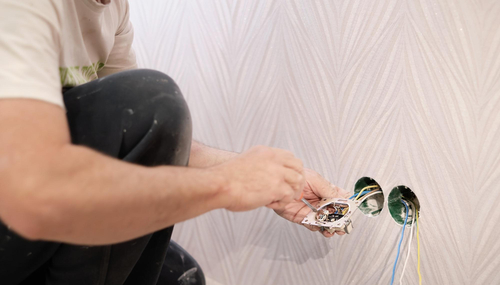
Electrical issues with house wiring are seldom evident in dramatic situations, and the most obvious signs of electrical problems in the house are often found in the most mundane scenarios. If any of the following sound familiar, it is worth booking a checkup.
- When the fridge, furnace, or dryer is switched on, the lights flicker or dim.
- Switch plates or outlets are warm.
- You get a slight burning or melting-plastic smell from an outlet.
- Breakers trip frequently, or fuses blow on the same circuit.
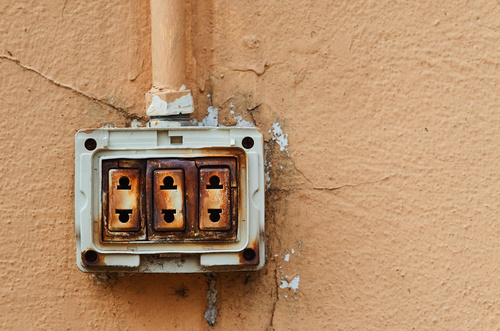
- Outlet covers are discoloured, scorched, or yellowed.
- You hear buzzing, crackling, or humming in the walls.
- Two prongs are still left in most of the home’s outlets.
- One of the most obvious signs of electrical problems in home wiring is the presence of cloth-wrapped or fabric-insulated wiring in the basement or attic.
What Electrical Upgrades Older Homes Actually Need
Older Nova Scotian houses often require only a few specific upgrades, not an entire reconstruction. A panel upgrade to 100 or 200 amps, a partial or complete rewire to replace knob-and-tube or damaged aluminum circuits, the addition of grounded outlets with GFCI and AFCI protection in kitchens, bathrooms, and bedrooms, and a service entry upgrade where the line enters the house are the most popular options. When you are installing an EV charger, a heat pump, or even a kitchen remodel, these upgrades are typically done first to ensure the new equipment can operate safely.
How Often Older Home Wiring Should Be Inspected
Any home wiring installed before 1980 should be inspected by a licensed electrician at least once every 10 years, and whenever the home changes ownership or undergoes a significant renovation. We also recommend that an immediate inspection be conducted following flooding, lightning strikes, or a severe winter storm, which are part of Nova Scotia’s weather reality. This includes a thorough inspection of the panel, service entry, visible wiring runs, outlets, switches, and the grounding system, along with a written report you can provide to your insurer. For homeowners who want to dig deeper, the province publishes its own Nova Scotia electrical safety regulations, which outline the standards every licensed electrician in the province is required to follow.
When to Call a Licensed Electrician (vs. Wait It Out)
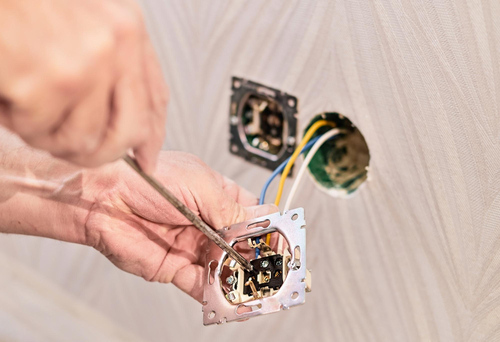
The vast majority of old house electrical problems can be classified into two categories: minor and worth monitoring, or serious and warranting a same-day call.
You may wait and watch:
- One of the outlets that had ceased to function in a healthy home.
- One breaker tripped and was reset without difficulty.
- Bulbs that only flicker when a bulb is loose or is nearly burning.
Call an electrician with a license immediately:
- Outlet, switch, or panel with burning odour or smoke.
- Warm or hot outlets or switch plates.
- Breaking and breaking on the same circuit.
- Electric shocks when plugging or unplugging an appliance.
- Any visible knob-and-tube or cloth-wrapped wiring.
- An older fuse panel or outdated electrical service.
- Any electrical issue following floods or storm damage.
We have been receiving these calls at PNL throughout Nova Scotia for over 25 years. We are licensed, insured, and bonded, and we never subcontract. One team, one call, one accountable result.
Ready for a Closer Look?
When your house shows any of these red flags, do not assume. A licensed inspection will remove the guesswork around older wiring and provide you with a roadmap of what to do and what can be postponed. The PNL Electrical and Communications team has been ensuring that Nova Scotia homes are safe and code-compliant since 1996, and we would be happy to inspect yours. Call us at (902) 431-3131 or book your inspection online.
FAQs:
What electrical upgrades do older homes need?
The majority of older houses are upgraded to 100 or 200 amps, fully or partially rewired where knob-and-tube still exists, GFCI and AFCI outlets are grounded in wet and sleeping spaces, and the service entry is upgraded if the supply line is aged.
How often should old home electrical wiring be inspected?
Knob-and-tube or aluminum wiring in older houses should be inspected at least once every 10 years and whenever the home is sold, renovated, or damaged by floods or storms.
What are the signs of outdated electrical wiring?
The most noticeable signs include flickering lights, warm outlets, burning odours, frequent breaker trips, two-prong outlets, and cloth-wrapped wires. If there is more than one, conduct an inspection.
Is knob-and-tube wiring still safe to use?
Knob-and-tube wiring can continue to operate safely in some situations, but it should be evaluated by a licensed electrician and may present challenges with insurance coverage, as most insurers in Nova Scotia will not cover it.
