
Key Takeaways:
Here’s a quick overview of the level 1 EV charger vs level 2 decision, and the factors that determine which option fits your home best:
- Level 1 chargers use a standard 120V outlet and provide about 8 km of range per hour – slow but free.
- Level 2 chargers use a dedicated 240V circuit and charge five to eight times faster than Level 1 chargers.
- Level 1 will be too slow for most EV owners with a full battery; it will be fine for plug-in hybrids.
- Level 2 hardware costs $400–$1,200, with installation typically costing $800–$1,500 in Nova Scotia.
- A licensed electrician is required for Level 2 to ensure your wiring is code-compliant and your rebates remain intact.
So you finally pulled the trigger on an EV. Or you’re a few weeks away from picking one up, and now the next question hits hard: how are you actually going to charge it at home? This is where most homeowners get stuck. The EV charger level 1 vs level 2 choice seems more important than it should, and choosing the wrong one means agonizingly slow charging or wasted money. Let’s sort it out properly.
What Is a Level 1 EV Charger?
A Level 1 charger is the one that came with your new electric vehicle. It uses the same 120V outlet you use to charge your phone. No special wiring, no permit, no electrician. The whole level 1 EV charger installation is basically: find an outlet near where you park, plug it in, and walk away.
The catch is speed. That’s about 5 to 8 km per hour of range. If you plug in overnight for 10 hours, you’ll have a range of 60 to 80 km in the morning. That’s enough for a plug-in hybrid or a low-mileage driver. But from a full discharge, a Level 1 charger can take 24 to 50+ hours to fully charge a real EV. For some people, that’s totally fine. For others, it gets old by week two.
What Is a Level 2 EV Charger?
A Level 2 charger operates at 240 volts and uses the same circuit as your dryer or stove. The hardware is sold separately and ranges from $400 to $1,200, depending on the brand and the smart features you want.
The upgrade will give you real speed. Level 2 increases the range by 30 to 60 km/h, between five and eight times faster than Level 1. Charge at home after work, and the car is charged by morning. No calculations, no stress, no fear of whether you will get to the office.
You also get the smart features: app control, off-peak scheduling, energy tracking, and load management. In Nova Scotia, a proper level 2 EV charger installation requires professional wiring and a permit. Still, for most drivers, the convenience of daily use is worth the cost within a few months.
Level 1 vs Level 2: Side-by-Side Comparison
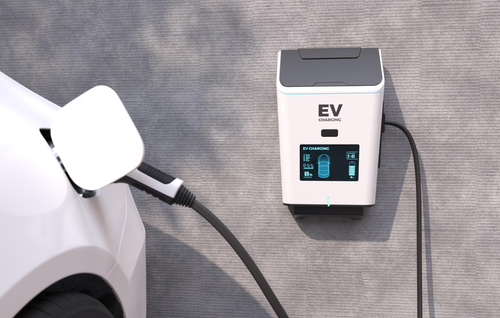
Comparing the two, it’s easy to see the differences. Here’s the quick breakdown:
- Voltage: 120V vs 240V
- Charge speed: ~8 km/hr vs ~40 km/hr
- Time to full charge: 24–50 hrs vs 4–10 hrs
- Equipment cost: Free (included with the car) vs $400-$1,200
- Installation: Plug-and-play vs hardwired with a permit
- Smart features: Limited vs advanced app and scheduling
- Best for: Hybrids and low-mileage drivers vs daily EV commuters
To be honest, the level 1 vs. level 2 EV charger question is usually answered after a few weeks of EV ownership. Your lifestyle will determine which is right for you.
Who Should Stick With a Level 1 EV Charger?
Not every household needs to spend money on a Level 2 installation. There’s a strong case for Level 1 in a few situations.
Plug-In Hybrid Drivers
Hybrids carry small batteries by design. They top up overnight on a regular outlet without breaking a sweat, and you’ll use very little electricity doing so. Spending money on Level 2 hardware here is overkill; you’d never use the speed.
Low-Mileage Daily Commuters
For less than 50 km a day, Level 1 is fine. A 10-hour charge gives you 80 km of range, which is plenty for retirees, stay-at-homes, and short commuters. The math actually works out.
Renters or Short-Term Homeowners
If you’re renting, modifying the wiring isn’t really your decision. The same goes if you’re planning to move within a year or two; the installation won’t pay back. Level 1 stays portable. It travels with the car.
Who Should Upgrade to a Level 2 EV Charger?
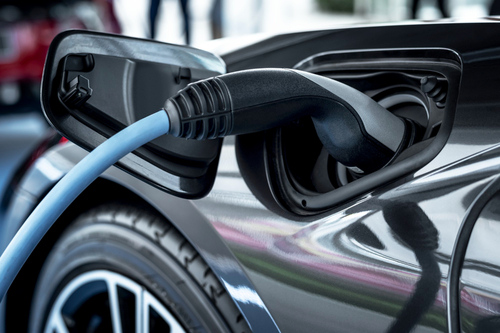
For most full-EV households, Level 2 charging is the right move. Here’s where weighing level 1 vs level 2 EV chargers tips toward the faster option.
Full Battery EV Owners
Modern EV batteries are simply too big for a 120V trickle to keep up with. Even moderate driving leaves the car short by morning. Level 2 makes “plug in and forget” a reality again.
Long-Distance Daily Commuters
Anyone driving 50+ km a day needs faster overnight recovery. Level 2 fully recharges most EVs while you sleep, eliminating range anxiety. Mornings just get easier.
Multi-EV Households
Two cars sharing one slow outlet turns into a daily logistics puzzle. Level 2 charges one car fully and frees up the spot fast. Some smart units can even split power between two cars on a single circuit.
Long-Term Homeowners
If you’re staying in your home for years, the installation pays for itself in convenience and adds resale value, too. EV-ready homes are becoming more attractive on the market every year. The level 2 EV charger installation cost is also reduced by a rebate and the federal incentive; together, they can knock $350 to $600+ off the total.
Looking for Trusted Level 2 EV Charger Installers in Nova Scotia?
EV adoption is growing quickly across the province. According to a report, on January 1, 2025, there were approximately 5,000 electric vehicles registered in Nova Scotia, representing a 50% increase from the year before. That growth means more homeowners are now considering safer, faster, and more convenient home charging options.
If you’ve been searching for “Level 2 EV charger installers near me,” the local angle matters more than most people realize. A Nova Scotia electrician who knows the local code, the inspectors, and the rebate paperwork will save you time and headaches that an out-of-province company simply can’t.
PNL Electrical & Communications has been wiring homes and businesses across the province since 1996. We are licensed, insured, and bonded, and we do not subcontract; the same people who quote the job are the ones who do the work. We do it all: survey, panel inspection, permit, install, and inspection. We also walk every homeowner through the rebate paperwork so nothing slips through the cracks.
To get the latest and most accurate level 2 EV charger installation cost, contact us. Pricing will be transparent, the quote is free, and there’s zero upsell pressure.
Conclusion
Sorting out EV charger level 1 vs level 2 really comes down to three honest questions: what do you drive, how far do you go each day, and how long does the car actually sit at home? Plug-in hybrid owners and low-mileage drivers can ride out Level 1 for years without complaint. Full-EV drivers almost always end up wanting Level 2, and the ones who installed it from day one are glad they did. Avoiding that second service call later is worth real money.
When you’re ready to make it happen, we are here to help you. Contact us today.
FAQs:
What Is the Difference Between Level 1 and Level 2 EV Chargers?
Voltage and charging speed are the fundamental distinctions. Level 1 will fit a standard 120 V outlet and will increase the range by approximately 8 km/h. Level 2 operates on a 240 V dedicated circuit and adds approximately 40 km/h, five to eight times faster. Level 1 is plug-and-play; Level 2 requires professional wiring but is the correct choice in most full-EV households.
Do I Need an Electrician for a Level 2 EV Charger?
Yes, absolutely. In Nova Scotia, a Level 2 unit must have a dedicated 240 V circuit, a correctly sized breaker, a permit, and a final inspection. A certified electrician keeps the installation code-compliant, secures your charger and home warranties, makes you eligible for rebates, and helps avoid severe fire risks. DIY work can void home insurance, so this one is better left to a professional.
Can My Electrical Panel Support a Level 2 EV Charger?
A Level 2 charger can be easily accommodated in most modern 200-amp panels. Depending on what is running, older 100-amp panels might require a load calculation, a smart load-management device, or a complete panel upgrade. A licensed electrician conducts an on-site load test and informs you before any wiring begins.
Which EV Charger Should I Install?
For most full-battery EV drivers with daily commutes, Level 2 is the better long-term choice. The speed and overnight convenience pay back the upfront cost within months. Level 1 suits plug-in hybrids, light drivers, and renters who can’t access the wiring. If you’re buying a full EV today, just go Level 2 from day one. You’ll thank yourself.
